
GERD Clinic at Grand Health Partners
GERD Clinic
“Do I really have to live with frequent heartburn, acid reflux, or GERD?” This is a common question that our providers hear. The answer is: “NO!”

GERD Treatment
At the Grand Health Partners GERD clinic, we are experts in treating reflux disease. If you're suffering from heartburn, acid or bile reflux or GERD, schedule an appointment today to determine the best treatment plan for you!
Heartburn, Acid Reflux, Bile Reflux and GERD (Gastroesophageal Reflux Disease) are related conditions that involve the back flow of stomach contents including food, stomach acid and/or bile into the esophagus. Reflux can cause discomfort, irritation and long-term damage that can result in serious medical conditions or cancer. GERD treatment focuses on reducing acid reflux through lifestyle changes, medications to control stomach acid, and when appropriate, minimally invasive procedures to address the underlying cause and provide lasting relief.
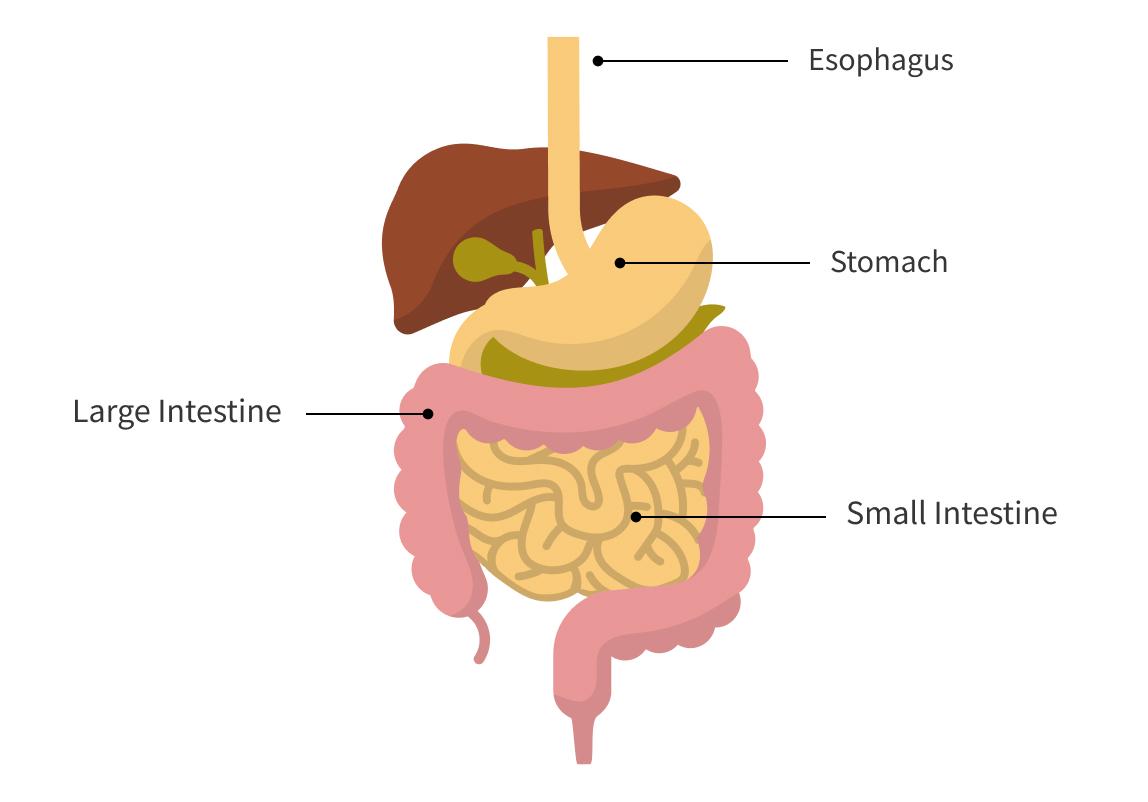
Basic Digestive System Anatomy
Mouth
Chews/breaks down larger pieces of food.
Esophagus
Transports food from the mouth down to the stomach.
Stomach
The stomach's main job is to hold food. It is like a balloon, getting bigger as we eat, and holds the food until our body is ready to process it. The stomach also produces acid that helps us break down food and kill bacteria.
Small Intestine
A long skinny tube; the main job is absorption of nutrients.
Large Intestine (Colon)
A wider tube shaped like a question mark; the main job is to absorb water and hold stool until we are ready to release it.
What is Heartburn, Acid and Bile Reflux?
Acid is made in the stomach to help us break down food and kill bacteria. Bile is made and released just after the stomach (in the duodenum) to help us break down foods, especially fats. Acid reflux occurs when stomach acid flows backward (refluxes) into the esophagus (the tube that connects the mouth to the stomach). Bile reflux is when the bile backs all the way up to the esophagus. This can happen occasionally in healthy individuals, typically after meals, and is usually temporary and is often called “heartburn”.
Common symptoms:
- Heartburn (a burning sensation radiating up the chest)
- Regurgitation (food or sour liquid coming up into the throat or mouth)
- Difficulty swallowing
- Chronic cough or sore throat
- A feeling of a lump in the throat
What is GERD (Gastroesophageal Reflux Disease)?
GERD is a more severe and chronic (long term) form of acid and bile reflux. It is diagnosed when reflux occurs more than twice a week or when symptoms persist for an extended period, typically lasting for more than three months. GERD can cause more serious complications and discomfort than occasional acid reflux.
Symptoms of GERD are similar to acid reflux but occur more frequently:
- Frequent heartburn (especially after meals or when lying down/sleeping)
- Chronic regurgitation of food contents
- Hoarseness or a sore throat
- Chest pain
- Difficulty swallowing (dysphagia)
- Feeling of food being stuck in the throat
- Persistent cough or wheezing
- Erosion of tooth enamel due to stomach acid reaching the mouth

Causes and Complications of Reflux/GERD
Certain Foods and Beverages
Spicy foods, citrus, chocolate, caffeine, and alcohol can trigger reflux and are common causes of mild reflux. Eating/drinking late at night can also contribute to reflux.
Obesity
Extra weight/fat cells can cause many problems, especially when it is located centrally around our abdomen. Increased weight/obesity can increase abdominal pressure, pushing stomach contents into the esophagus, increasing frequency and severity of GERD symptoms.
Learn moreHiatal Hernia
A condition where part of the stomach pushes up through the diaphragm into the chest, which can cause acid, bile and food to reflux.
Weak Lower Esophageal Sphincter (LES)
The LES is a muscle that acts as a valve between the esophagus and stomach. If it weakens or relaxes at the wrong times, it allows acid to flow back up into the esophagus.
Pregnancy
Hormonal changes and increased pressure from the growing fetus can contribute to acid reflux.
Smoking
Smoking can weaken the LES and increase acid production.
Complications of Untreated GERD
If left untreated, GERD can lead to more serious health problems, including:
- Esophagitis: Irritation/inflammation of the esophagus that can lead to pain, food feeling stuck or difficulty swallowing; scarring, long term damage like Barrett's or cancer.
- Strictures: Narrowing of the esophagus due to scarring, which can make swallowing difficult.
- Barrett's Esophagus: A condition where the lining of the esophagus changes, increasing the risk of esophageal cancer.
- Respiratory Issues: GERD can cause asthma-like symptoms or pneumonia if contents back all the way up and then enter the lungs.
- Cancer: Long term reflux can cause esophageal cancer.
Treatment Options
Treatment for Heartburn, Acid Reflux, Bile Reflux and GERD typically involves a combination of lifestyle changes, medications, and in some cases, surgery. Lifestyle modifications may include avoiding trigger foods, losing weight, and eating smaller meals. Medications may include antacids, proton pump inhibitors (PPIs), or H2 blockers. Surgical options include fixing hiatal hernias, wrapping the stomach around itself (fundoplication) and surgery to help treat obesity.
The goal is to relieve symptoms, improve quality of life, and prevent complications. Here's a breakdown of heartburn treatment options offered at Grand Health Partners in Grand Rapids.

Lifestyle Modifications
- Avoid trigger foods that can worsen reflux, such as spicy foods, citrus, chocolate, caffeine, alcohol, and fatty or fried foods.
- Eat smaller, more frequent meals to avoid overloading the stomach.
- Avoid lying down immediately after eating; try to wait at least 2–3 hours.
- Lose weight if you're overweight or obese to reduce pressure on the stomach.
- Elevate the head of your bed to prevent acid from traveling up the esophagus while sleeping.
- Quit Smoking: Smoking weakens the lower esophageal sphincter (LES), which increases the risk of acid reflux.
- Reduce Alcohol Consumption: Alcohol can relax the LES and increase acid production, worsening symptoms.
Medications
Several types of medications can help manage GERD symptoms:
Antacids
These neutralize stomach acid and provide quick relief for mild, occasional acid reflux. Examples include Tums, Maalox, and Rolaids. Pros: Fast-acting. Cons: Only provides short-term relief (usually a few hours), often causes “rebound” heartburn/reflux when the medication wears off, and does not address the underlying cause.
H2 Receptor Antagonists (H2 Blockers)
These drugs reduce the amount of acid the stomach produces. Examples include ranitidine (Zantac) and famotidine (Pepcid). Pros: Provide longer-lasting relief than antacids (usually 12 hours). Cons: Can be less effective for severe GERD compared to PPIs.
Proton Pump Inhibitors (PPIs)
PPIs reduce stomach acid production more effectively and are often prescribed for more severe cases of GERD. Examples include omeprazole (Prilosec), lansoprazole (Prevacid), and esomeprazole (Nexium). Pros: Highly effective for reducing acid production and healing the esophagus and healing the stomach. Effects usually last 24 hours. Cons: Long-term use can have side effects, such as nutrient deficiencies (e.g., magnesium, vitamin B12) and an increased risk of certain infections, increased risk of Alzheimer's.
Prokinetics
These medications help improve the movement of food and acid through the digestive tract, reducing reflux. Examples include metoclopramide (Reglan). Pros: Can help with delayed stomach emptying. Cons: More frequently it has side effects (fatigue, dizziness, and anxiety) and can't be taken long term.
Bile Acid Sequestration
These medications help bind bile. Example: Cholestyramine (Questran). Pros: Helps with bile reflux. Cons: Can be bothersome to take and has frequent side effects.
Other Antacids
These medications form a barrier that floats on top of the stomach contents to prevent reflux. Examples include Gaviscon and Carafate. Pros: Provides a protective barrier against acid. Cons: Can be bothersome to take frequently.
Surgical Treatment
Surgical procedures oftentimes have significant reduction of GERD symptoms and reduce long term risks of damage to the esophagus and cancer. Often, patients can get off of long term use of PPIs and avoid the long term negatives of being on that medication for years.
Surgery is considered:
- When lifestyle changes and medications are not sufficient to control GERD symptoms
- Severe esophagitis (damage/irritation to the esophagus)
- Barrett's esophagus (long term damage to the esophagus, causing the cells to change)
- Difficulty swallowing
- Inability to tolerate medications or desire to avoid long term negative side effects of medications such as PPIs
Surgical Options
Hiatal Hernia Repair
Many patients with frequent or severe reflux have a hiatal hernia. This is a condition where your stomach pushes up through the diaphragm and into the chest cavity. This often causes reflux symptoms and feelings of food getting stuck. Surgical repair of a hiatal hernia brings the stomach back down into the abdominal cavity and tightens the muscles of the diaphragm around the esophagus. Hiatal hernia repairs can be performed alone and can be performed with a fundoplication or a bariatric (weight loss) operation.
Fundoplication
This is a very common surgical treatment for GERD. It involves wrapping the top of the stomach (fundus) around the lower esophagus to strengthen the LES and prevent reflux. Pros: Can provide long-term relief from GERD symptoms. Cons: Can make it difficult or impossible to vomit, lead to difficulty swallowing or lead to gas bloating of the stomach.
Obesity (Weight Loss) Surgery
Surgery that helps reduce weight, and more importantly fat cells, to help you be healthier in many ways. Losing weight and getting healthier often can help reduce or eliminate GERD symptoms, especially when combined with a hiatal hernia repair. Pros: Can provide long-term relief from GERD symptoms and help treat many other major health problems like diabetes, heart disease, high blood pressure, high cholesterol, sleep apnea and many others. Cons: Requires commitment to lifetime changes of diet/exercise.
Learn moreSurgery does entail an amount of risk including but not limited to: infection, bleeding, incomplete effects on GERD symptoms or symptom/hernia recurrence, damage to other areas/organs, anesthesia complications, and death.
Monitoring and Follow-up Care
For those with chronic GERD, ongoing management is important. Regular check-ups with a healthcare provider can help monitor the condition, evaluate for complications (like Barrett's esophagus), and adjust treatment plans as necessary.
Combination Therapy: Many patients benefit from combining medication and lifestyle changes for more effective management.

When to Seek Medical Help
If you experience any of the following symptoms, it's important to seek medical attention:
- Severe chest pain or difficulty swallowing.
- Unexplained weight loss.
- Persistent or worsening symptoms despite treatment.
- Difficulty breathing, especially at night.
- Hoarseness or a chronic sore throat.
What Happens When You Make an Appointment with the GHP GERD Clinic?
- 1
Initial consultation
We will set up an initial consultation with a provider to review your medical history, discuss your symptoms of reflux/GERD, review what testing has been done already, and develop an action plan. Does further testing need to be done? Are there medication adjustments that can be made? Would you benefit from a surgical consultation?
- 2
Common testing options (if applicable)
EGD: a camera to take a look down your mouth, esophagus, stomach and part of the small intestine, one of the first and best tests to assess reflux/GERD. UGI: an X-ray study that watches what happens when you drink something. pH study: tests the acid level in your esophagus throughout the day. Manometry: tests how your esophagus is functioning.
- 3
Surgical consultation (if applicable)
Review the testing and discuss the symptoms with a GHP surgeon. Discuss options for surgical and non-surgical care for GERD.
Schedule a Consultation with our Anti-Reflux Specialists now!

Get started
Ready to Schedule a Consultation?
Transformations Happen Daily at Grand Health Partners! Take the first step to life change and schedule a consultation with our office.